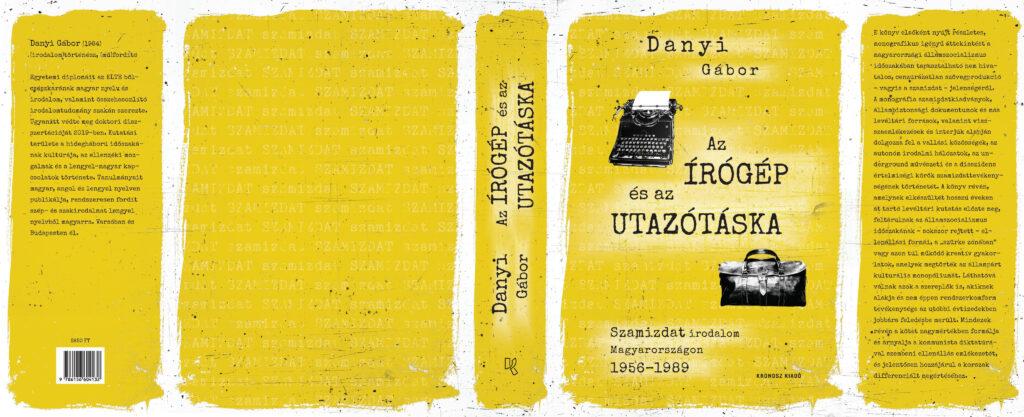
After many years of work and research, Gábor Danyi’s monograph presenting and analysing the history of Samizdat literature in Hungary has been published: The Typewriter and the Travelling Bag – Samizdat Literature in the Kádár Era, 1956–1989 (published by Kronosz Kiadó, 620 pages).
“This book provides the first detailed, monograph-style overview of the phenomenon of unofficial, uncensored text production in Hungary during the period of state socialism known as Samizdat. The monograph draws on Samizdat publications, state security documents and other archival sources, as well as memoirs and interviews to examine the history of Samizdat activity within religious communities, autonomous literary networks, underground artistic circles and dissident intellectual groups. Written on the basis of years of archival research, the volume reveals the often-hidden forms of resistance during the period of state socialism along with the creative practices operating in the ‘grey zone’ or beyond, which broke the cultural monopoly of the party state. The publication also shines a spotlight on the figures whose roles and non-conformist activities have largely faded into obscurity in recent decades and by doing so book significantly shapes and refines the memory of resistance to the communist dictatorship and makes an important contribution to a clearer, more accurate understanding of the period.” (text on the blurb)
The contents of the volume can be read in the following article:
Danyi Gábor Az írógép és az utazótáska című könyve a magyarországi szamizdat irodalomról - megjelent! [Gábor Danyi’s book The Typewriter and the Travelling Bag on Samizdat literature in Hungary has been published]
“The introductory chapters of the book illustrate the nature of Samizdat, drawing on the latest international and Hungarian literature, while presenting the frameworks of interpretation relating to the phenomenon and the challenges involved in its research.
The second part – providing an overview covering all the major studies/research attempts – is followed by three case studies examining the distinctive practices of Hungarian Samizdat culture in a broader, Central and Eastern European context. These chapters reveal the media-based characteristics of Samizdat, the various models of its production and distribution, and the patterns of the identities of those involved.” (excerpt from the synopsis).
Artpool takes a certain pride in the newly published work as the author spent many years researching the documents in the archives of the Artpool Art Research Center and recorded the personal experiences related to him by Artpool’s founders.
Over nearly 80 pages, the volume presents underground art Samizdat publications, including Poolwindow and issues of AL (Artpool Letter), both published by Artpool, as well as the Artpool Radio cassette series. A separate chapter is devoted to the public sphere of underground art and the Szétfolyóirat ["Spreadiodical" pun-based title of a periodical combining the words ‘spread’ and ‘periodical’ trans.]
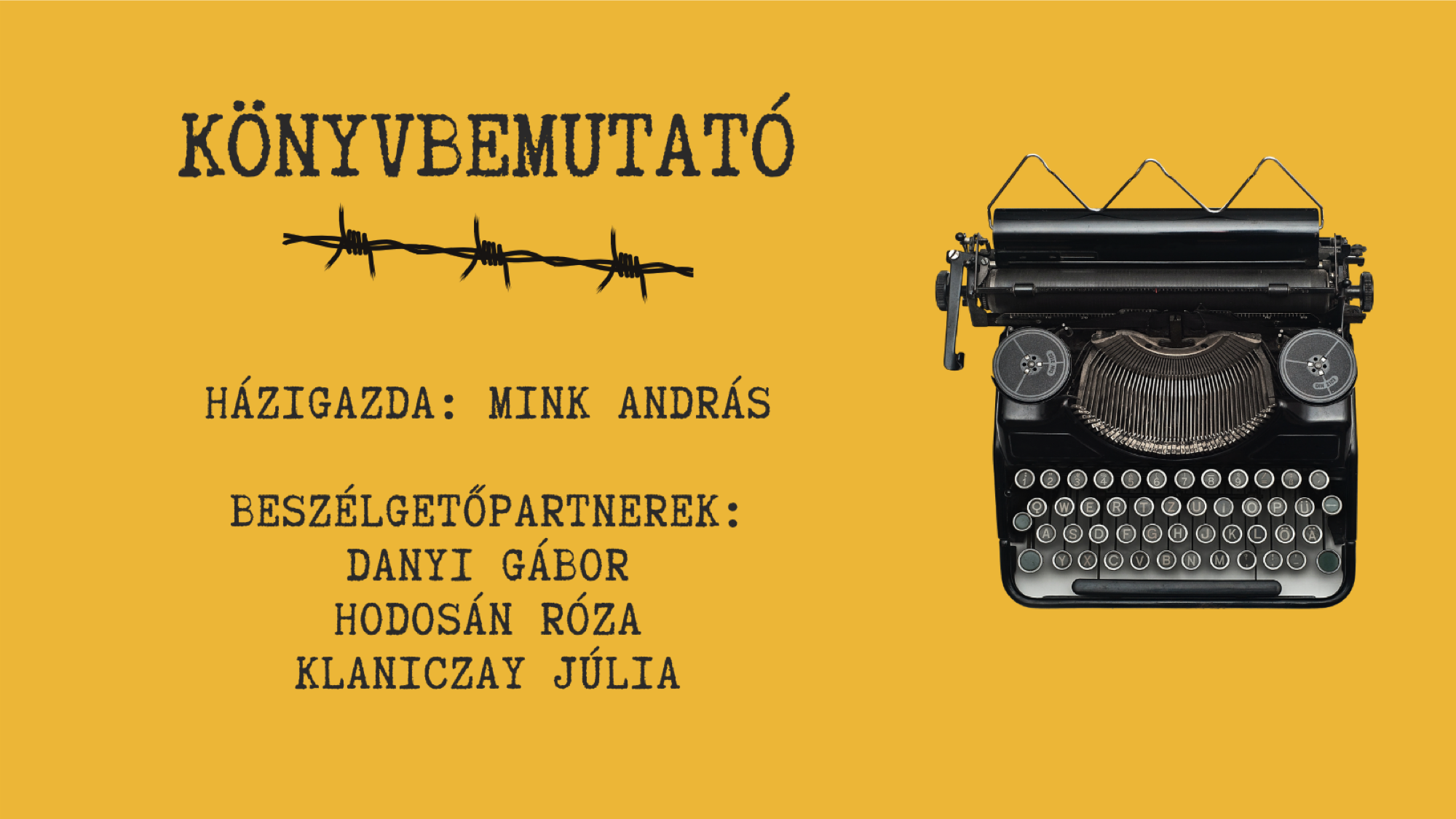
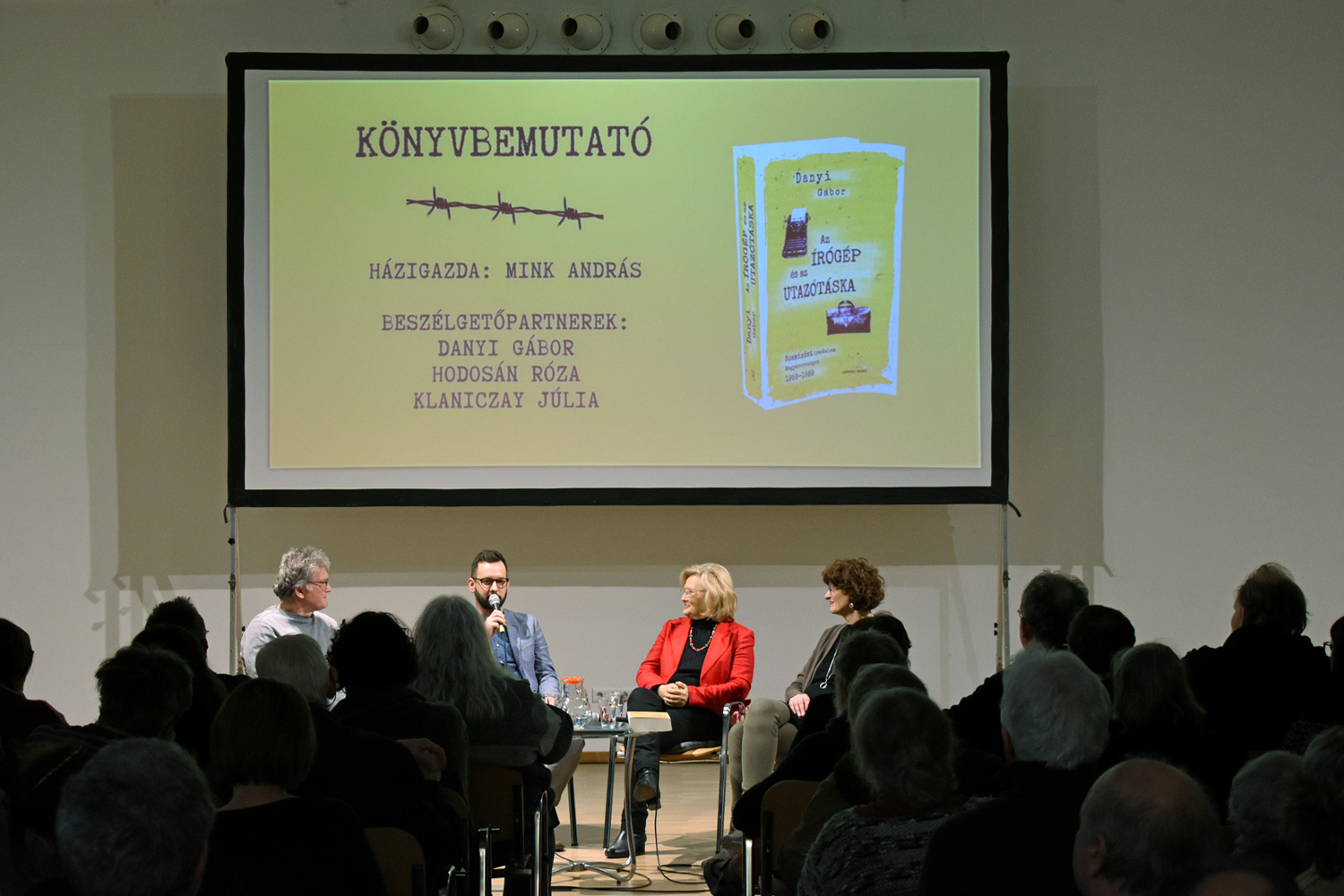
The book was launched on 6 January 2024 in the Open Society Archives, and attracted a great deal of interest.
Participants:
Host: András Mink – historian (Blinken OSA Archives)
Discussion partners:
Gábor Danyi – researcher of Samizdat literature in Hungary
Róza Hodosán – former staff member of AB Független Kiadó [AB Independent Publisher], member of the democratic opposition
Júlia Klaniczay – active participant in the public sphere of underground art at the time, co-founder and currently an advisor for Artpool
We were delighted to see some of our old “comrades-in-arms”.
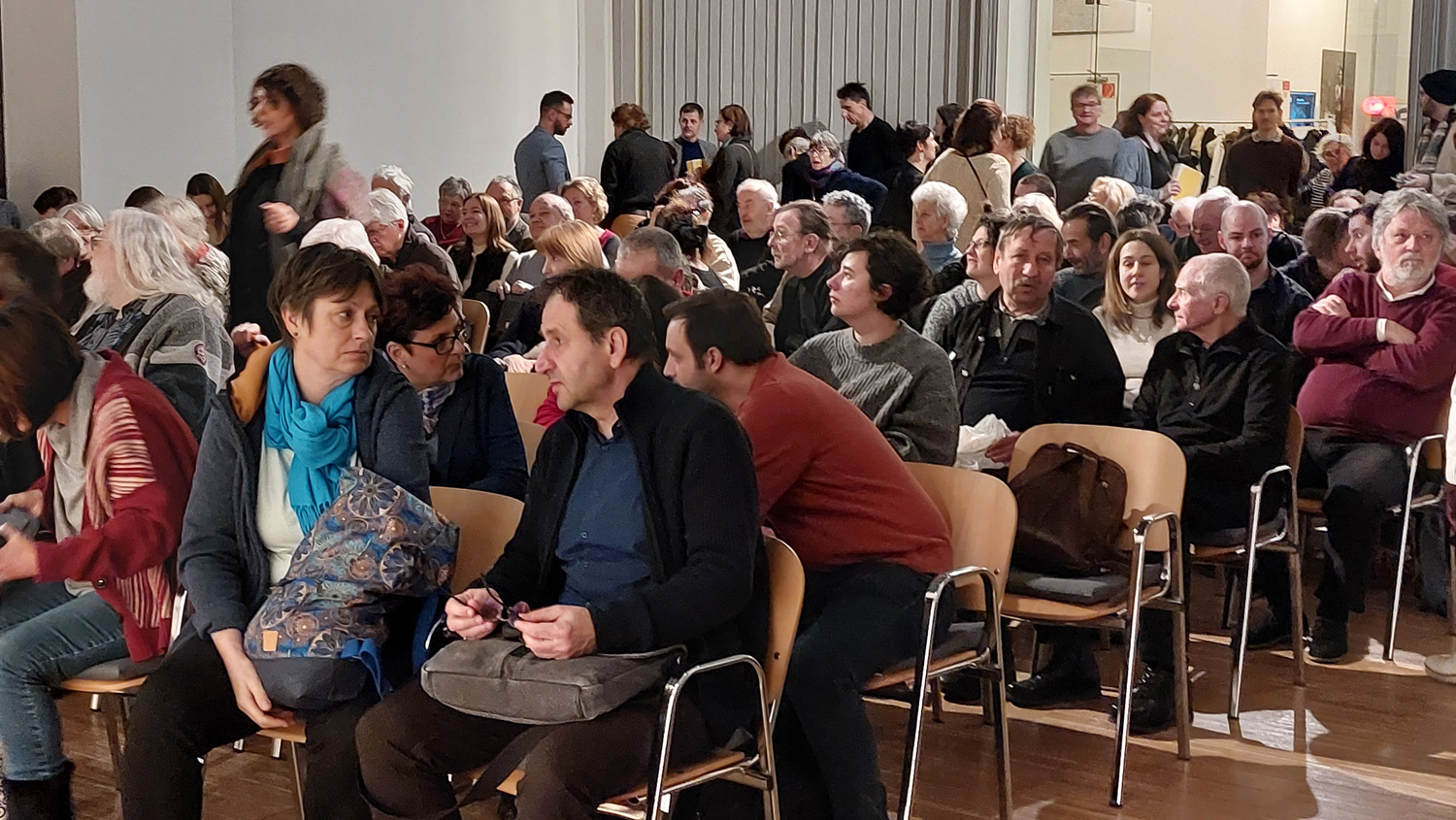
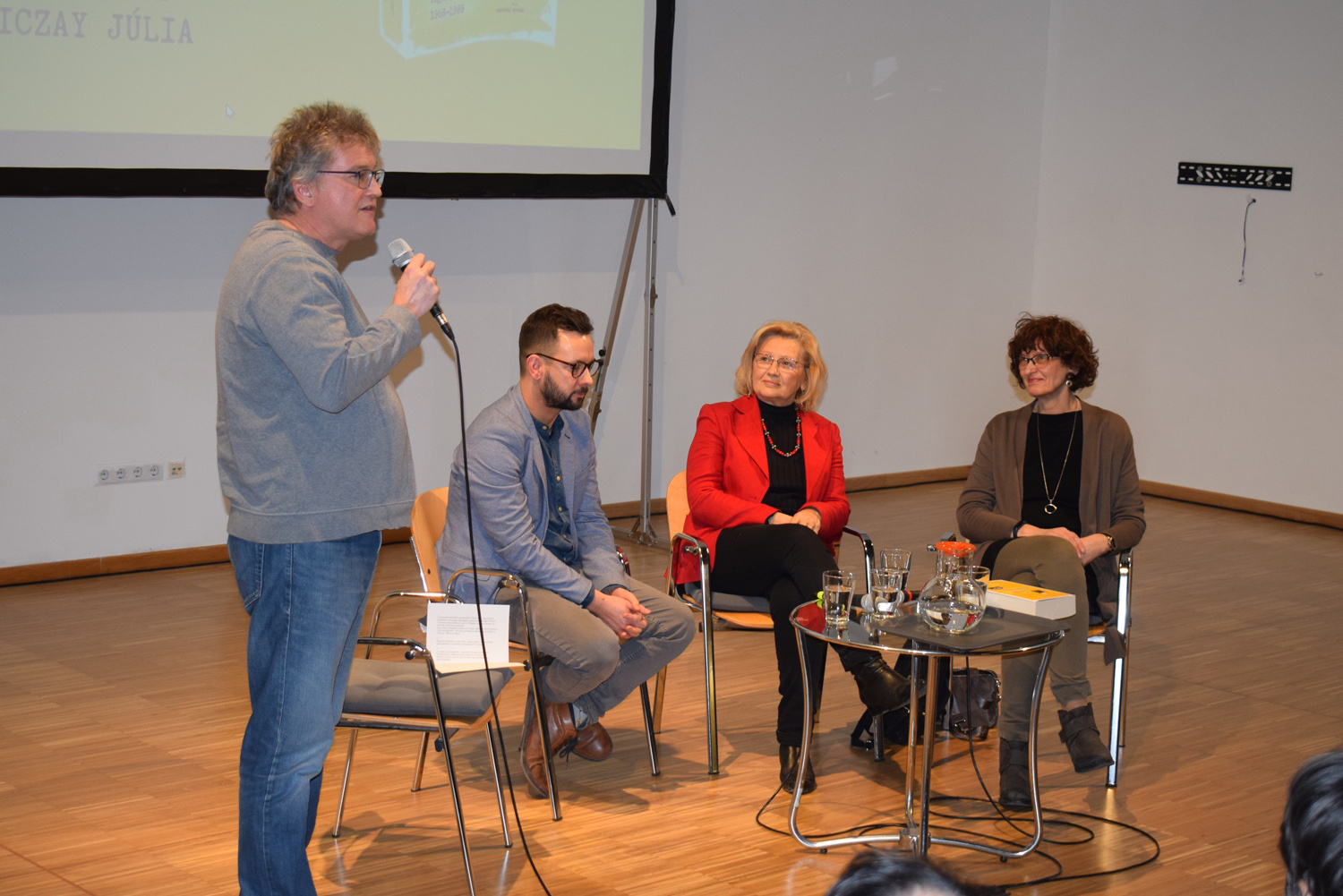
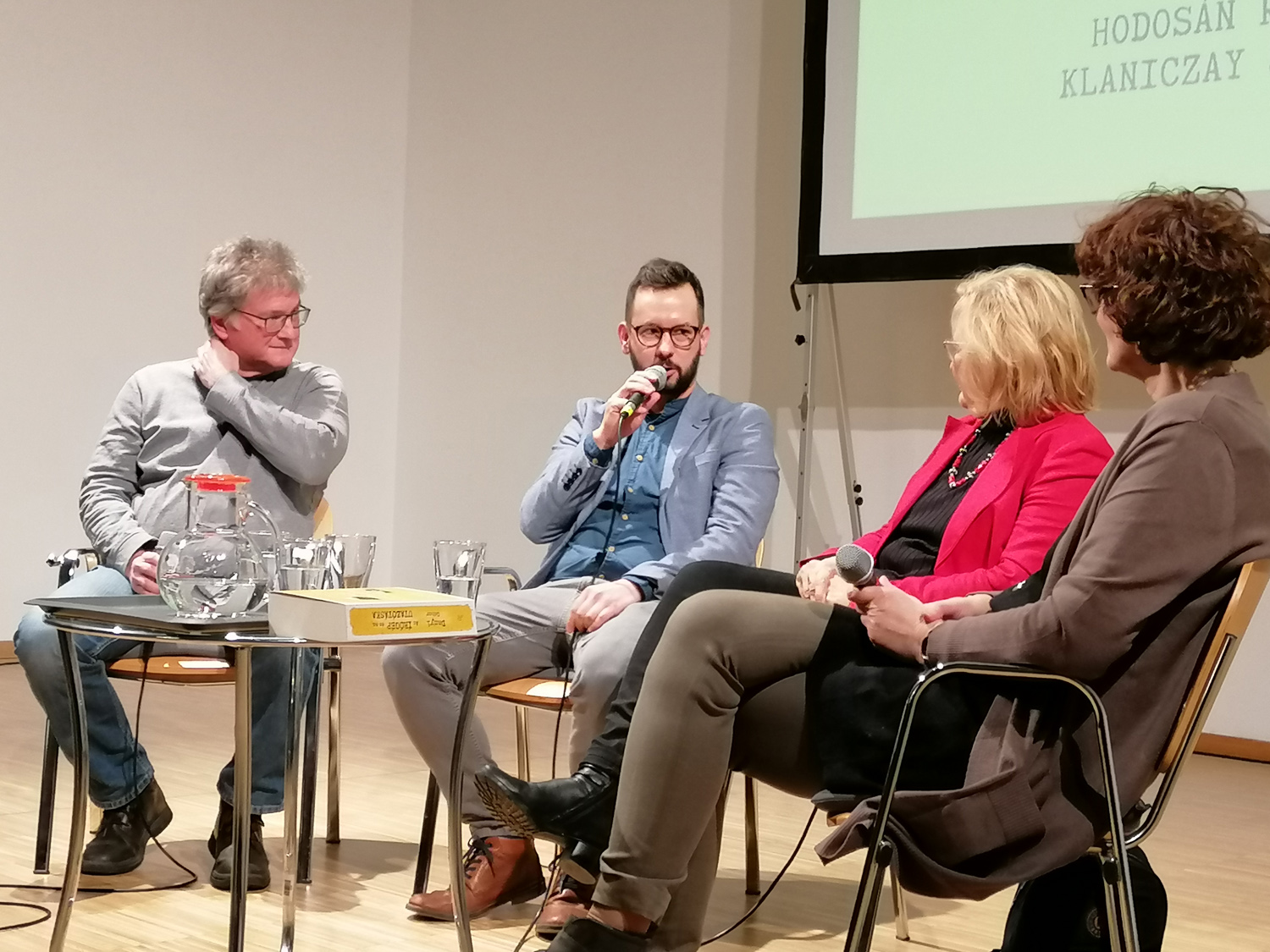
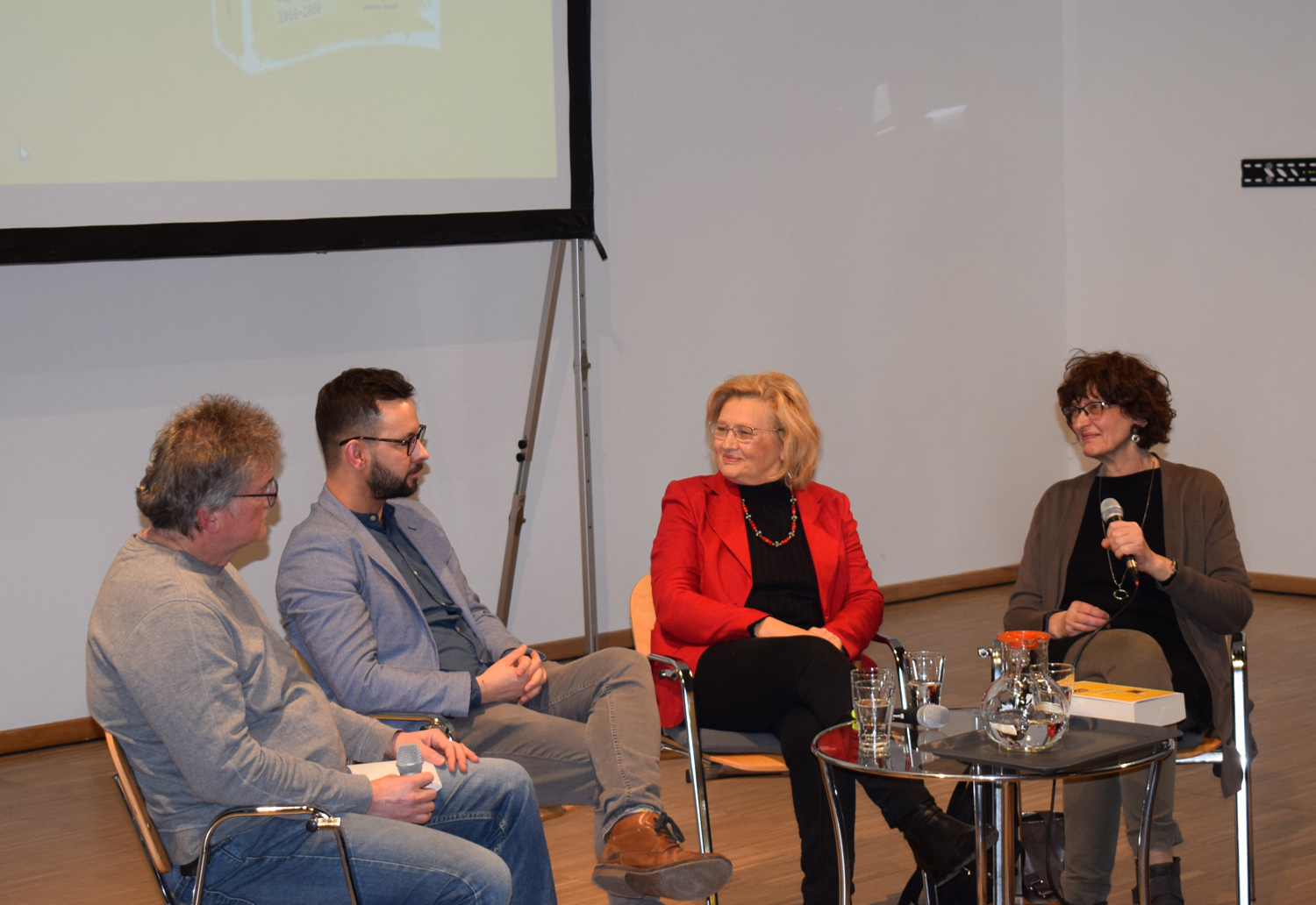
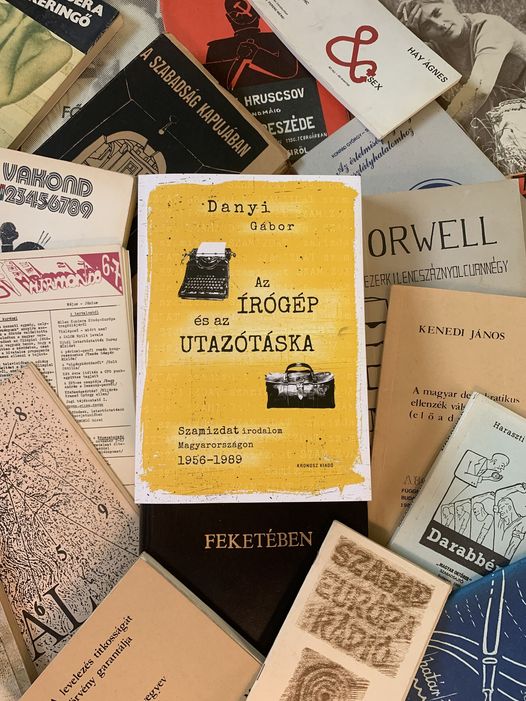
Gábor Danyi’s book is an important resource for future research aimed at the study and understanding of the parallel cultures of the 1970s and 1980s, their functioning and internal public sphere, as well as the independent, freedom-oriented artistic practices of the period’s animators.
Further media coverage of the book:
Párhuzamok a Kádár-kori második nyilvánosság és a mai független média között - Klasszis podcast Haraszti Miklóssal és Danyi Gáborral (podcast / videó) [Parallels between the second public sphere in the Kádár Era and today’s independent media - podcast with Miklós Haraszti and Gábor Danyi]
The Artpool Art Research Center is a unique research institution for studying, among other things, the unofficial, progressive cultural initiatives of the 1970s and 1980s as well as their manifestations and publications. Beyond being an active participant in the Samizdat period itself, the Artpool archives hold numerous Samizdat and semi-Samizdat publications by figures of the contemporary art scene that are available for research and also accessible online.
Further recommended reading:
József Havasréti Az Aktuális Levél esztétikája és (mediális) archeológiája [The Aesthetics and (Media) Archaeology of the Artpool Letter] in: Széteső dichotómiák. Színterek és diskurzusok a magyar neoavantgárdban [Disintegrating Dichotomies. Artistic Scenes and Discourses in the Hungarian Neo-Avant-garde], Budapest–Pécs: Gondolat – Artpool – PTE KMT, 2009, 43–74.
Emese Kürti: „Ne kérdezz, válaszolj!” Az Aktuális Levél szerepe és módszertana a nyolcvanas évek magyarországi kultúrájában [“Don’t ask but answer.” The Role and Methodology of the Artpool Letter in the Hungarian Culture of the Eighties], Enigma, 99 (2020): 22–35. (open/download PDF)